October 30, 2026
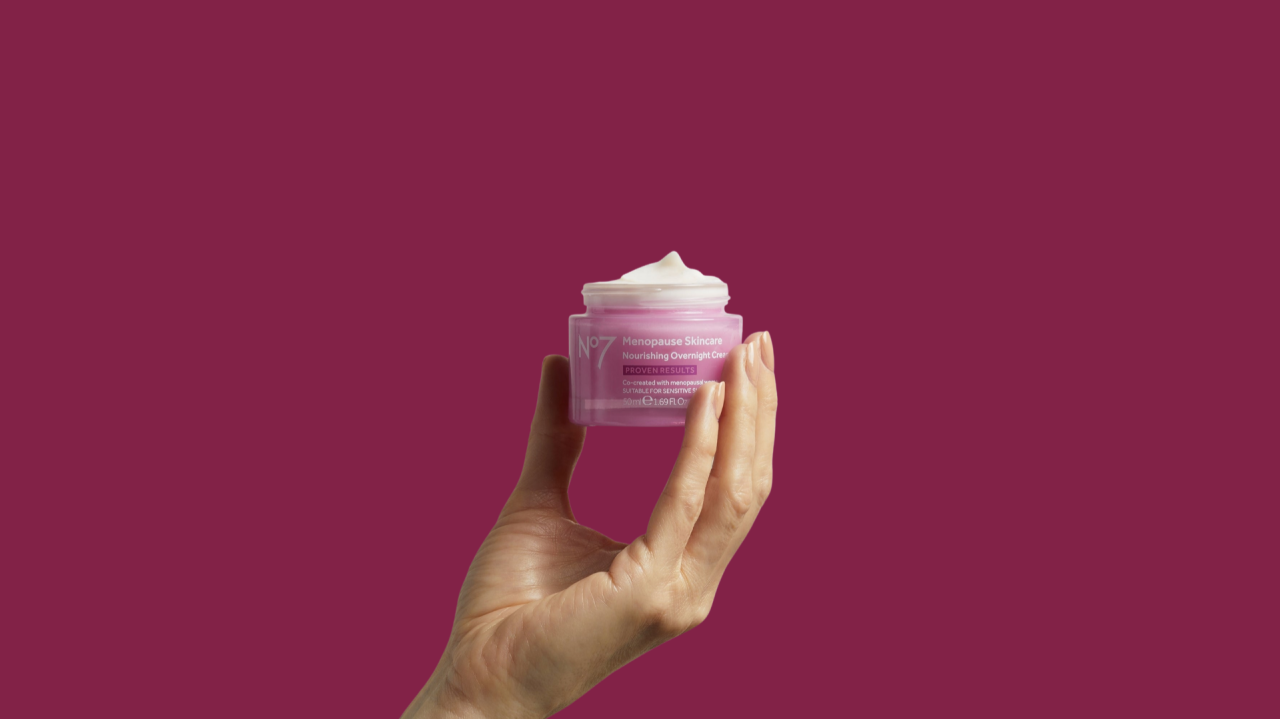
Menopause skincare is everywhere.
Serums for menopausal skin. Moisturisers designed for perimenopause. Entire ranges created specifically for the hormonal changes women experience in midlife.
And there’s absolutely nothing wrong with that.
Skin can change significantly during perimenopause and menopause, and there is a very real market for products designed with those changes in mind.
But putting the word “menopause” on your packaging doesn’t suddenly give a cosmetic permission to make medical claims.
Sorry.
What can menopause skincare say?
The same fundamental rule applies to menopause skincare as it does to every other cosmetic: it needs to behave like a cosmetic.
That means brands can talk about things such as hydrating dry skin, softening the skin, supporting the skin barrier and improving the appearance of fine lines.
If your product has been specifically formulated with the needs of menopausal skin in mind, brilliant. Talk about it.
Just make sure you can substantiate what you’re saying.
The problems start when cosmetic claims creep into medicinal territory.
A face cream cannot treat menopause.
It cannot replace oestrogen.
And it certainly can’t stop your hot flushes.
At that point, we’re no longer talking about improving the appearance or condition of the skin. We’re talking about claims to treat or modify physiological processes associated with menopause, and that can change the regulatory status of your product entirely.
Your moisturiser does not become HRT because the marketing team got carried away.
“Clinically proven” needs to mean something
Then we get to another of our favourite areas: evidence.
If you say your menopause skincare is “clinically proven”, we’re going to ask the obvious question:
Clinically proven to do what?
You need appropriate evidence to substantiate the claims you make.
The same applies to phrases such as “dermatologically tested.” These aren’t decorative marketing phrases you can sprinkle across packaging because they sound reassuring. There needs to be appropriate evidence behind them.
And the stronger and more specific your claim, the stronger the substantiation we would expect to see.
A brilliant category, when it’s done properly
We actually think menopause skincare can be a genuinely valuable category.
Women are becoming much more open about the physical changes associated with menopause, brands are responding to needs that have historically been overlooked, and products can absolutely be formulated and marketed specifically for this audience.
That’s a good thing.
What we don’t need is existing products being repackaged, given a menopause-friendly colour palette and sold at a premium with claims the evidence doesn’t support.
Women deserve better than that.
So if you’re developing or marketing menopause skincare, focus on what your product genuinely does, make sure your evidence supports it and keep your claims firmly on the cosmetic side of the regulatory line.
And if you’re currently looking at your packaging thinking, “Have we gone a bit far with that claim?”, that’s probably a good time to speak to our cosmetics team.