July 1, 2026
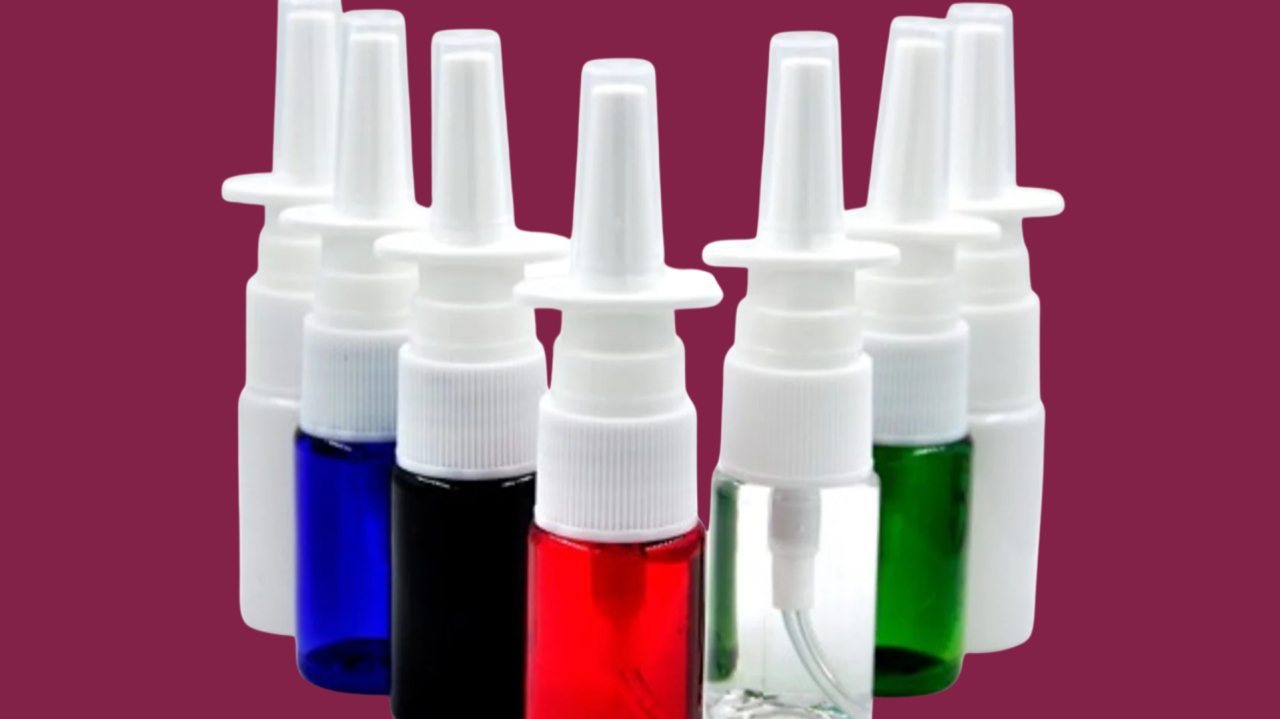
One of the most difficult things about regulation is that dangerous products do not always look dangerous.
Sometimes they look clinical. Sometimes they look trendy. Sometimes they are packaged in bright colours, sold alongside beauty products, and promoted by influencers with discount codes and flawless skin.
And that is exactly why products like nasal tanning sprays are so concerning.
To the average consumer, they can appear harmless. They are often marketed as a quicker, easier route to achieving a tan without spending hours in the sun. Many people buying them will assume that if a product is openly sold online, in salons, gyms, or beauty shops, then surely somebody somewhere has checked that it is safe.
But that is not always the case.
From a regulatory perspective, products like this create a huge problem because they sit in a grey area that existing legislation struggles to manage properly. They are often sold cosmetically, despite containing substances that may have a pharmacological effect on the body. They may avoid medicines regulation because of how they are marketed, while also falling outside normal cosmetic frameworks because they are inhaled rather than applied to the skin.
Unlike regulated cosmetics or medical devices, these products may not have undergone robust safety assessments. There may be little clarity around the manufacturing standards, ingredient concentrations, contamination risks, stability data, or long-term health impacts. In some cases, there may not even be an accurate ingredient list.
That is frightening enough on its own.
But what makes it even more concerning is the speed at which these products spread online. Social media has created an environment where trends can explode almost overnight. Products become normalised before regulators have even had time to assess the scale of the issue. By the time enforcement agencies start investigating, thousands of people may already be using them.
The marketing around these products is also particularly worrying because it often targets younger audiences. Bright packaging, flavoured varieties, viral TikTok videos and influencer promotion can make them appear fun, aesthetic, and low risk. The language used rarely reflects the seriousness of introducing an unregulated substance into the body.
And unfortunately, consumers often do not distinguish between “available to buy” and “approved as safe”.
As someone working within compliance, one of the most frustrating things is seeing regulation painted as unnecessary red tape, when situations like this demonstrate exactly why robust frameworks matter. Safety assessments, toxicology reviews, manufacturing controls, labelling requirements and adverse event reporting systems exist for a reason.
It is there to stop harm.
The reality is that regulators are constantly trying to keep pace with an industry that evolves faster than legislation can adapt. Trends emerge quickly, marketing becomes more sophisticated, and products increasingly blur the boundaries between cosmetics, medicines, wellness, and beauty.
Products like nasal tanning sprays are a reminder that just because something is popular does not mean it is safe, compliant, or properly understood.
And honestly, that should concern all of us.