July 3, 2026
Protein is having a moment.
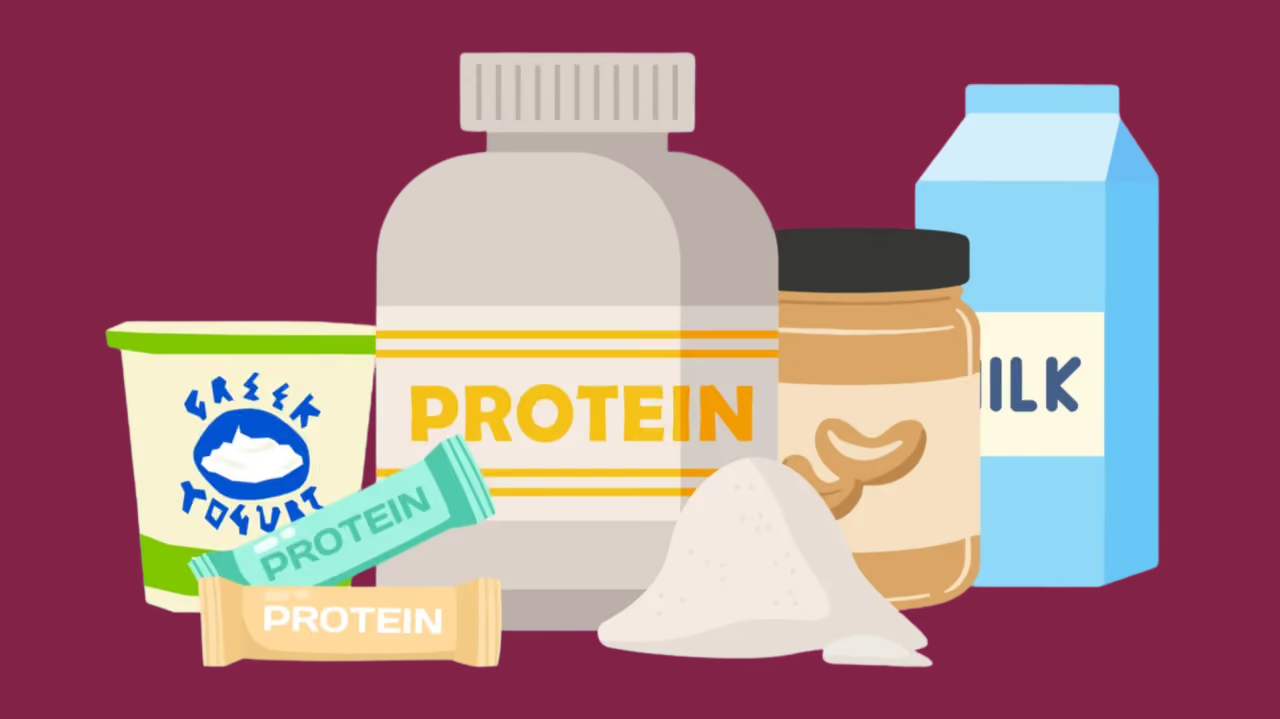
Not long ago, protein powders were primarily associated with bodybuilders and gym enthusiasts. Today, they're everywhere. Protein cereals, protein yoghurts, protein coffees, protein pancakes, protein chocolate bars, protein ice cream, and even protein water have become commonplace on supermarket shelves.
For consumers, the message is simple: more protein equals better nutrition.
The first thing many people don't realise is that simply adding protein to a product doesn't automatically allow a brand to make any claim it wants.
In the UK and Europe, nutrition and health claims are heavily regulated. If a company wants to describe a product as a "source of protein" or "high in protein," it must meet specific nutritional criteria.
For example, a food can only be labelled as a source of protein if at least 12% of its energy value is provided by protein. To claim a product is high in protein, at least 20% of its energy value must come from protein.
These aren't marketing opinions.
They're legal thresholds.
The same principle applies to health claims.
Many brands would love to say their protein product builds muscle, improves recovery, boosts performance, or helps with weight loss. However, only authorised health claims can be used.
Claims such as protein contributing to the growth and maintenance of muscle mass are permitted because they have been assessed and authorised. Other claims that have not been approved cannot legally be used, regardless of how popular they may be on social media.
As the market becomes more crowded, brands naturally look for ways to differentiate themselves. Marketing teams may be tempted to make stronger claims or imply benefits that go beyond what is legally permitted.
Unfortunately, "everyone else is doing it" is not a recognised regulatory defence.
Another consideration is consumer perception.
When shoppers see "high protein" on a product, they often assume it is healthier than the standard version. That may be true in some cases, but not always.
We've seen products where protein has been increased, but sugar, fat, calories, or other ingredients remain largely unchanged. From a compliance perspective, businesses need to ensure their overall marketing does not mislead consumers about the nutritional profile of the product.
Regulators are not responsible for deciding consumer trends, but they are responsible for ensuring claims are truthful and evidence-based. The fact that protein is fashionable does not exempt products from meeting legal requirements.
For brands developing protein-enriched foods, the key message is simple: compliance should be part of product development from the beginning.
Before packaging is designed, before marketing campaigns are created, and before social media content is produced, businesses should understand exactly which claims they can make and what evidence is required to support them.
Protein may be the ingredient of the moment.
But from a regulatory perspective, the rules around how you market it remain exactly the same as they always have.
And no amount of added whey can change that.