July 1, 2026
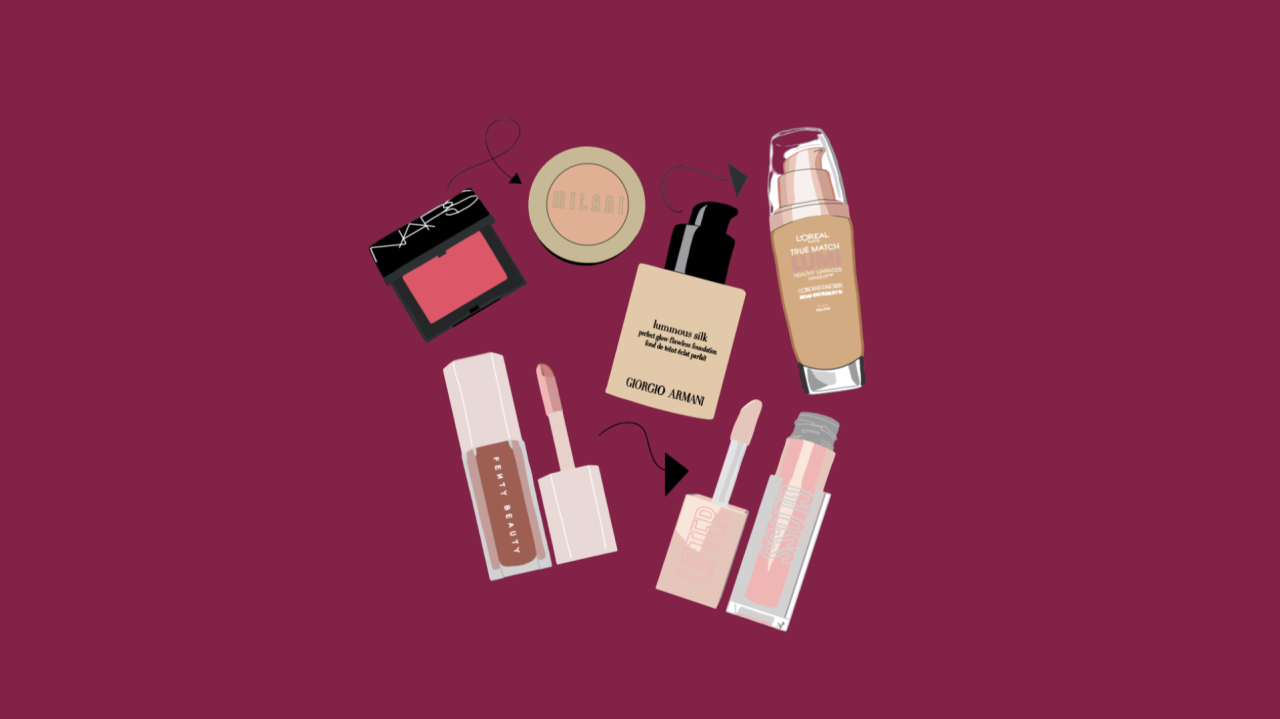
“Dupe culture” has exploded in recent years. Social media is full of side-by-side comparisons promising the same results as premium products for a fraction of the price. For consumers, it feels like a win. For brands, it’s frustrating. But from a regulatory and safety perspective, dupes raise far more serious concerns.
Because a dupe is not just a cheaper version of a product. It is an entirely separate formulation, made by a different manufacturer, with different ingredients, processes, and controls. And that distinction matters more than most people realise.
In cosmetics, formulation is everything. Two products can look identical, feel similar, and even claim to do the same thing, but the way they are made can be fundamentally different. Ingredient sourcing, purity levels, stability testing, preservative systems, and manufacturing conditions all play a role in whether a product is safe for use.
A legitimate cosmetic product placed on the UK or EU market should have undergone a safety assessment, have a Product Information File (PIF), and be supported by appropriate testing. A dupe product, particularly one produced quickly to capitalise on a trend, may not meet the same standards. This increases the risk of contamination, incorrect preservative systems, or unstable formulations that degrade over time.
Food supplements interact with the body in a far more direct way than cosmetics. The dosage of active ingredients, bioavailability, contamination risks (such as heavy metals or undeclared substances), and manufacturing standards are critical. A dupe supplement that attempts to replicate a popular product may not contain the same active levels, may include unapproved ingredients, or may not be manufactured in a facility that meets food-grade standards.
This is where consumer perception becomes dangerous.
People assume “same look, same claims, same results.” But in reality, they are often comparing a product developed with significant research, testing, and regulatory oversight against one designed to mimic the marketing, not the science.
Many dupe products push boundaries on what they say a product can do, particularly in areas that border medical claims. This is especially common in categories like skin treatments or functional supplements. Without proper substantiation, these claims are not just misleading, they can put consumers at risk by encouraging inappropriate use or unrealistic expectations.
From a regulatory standpoint, responsibility always sits with the brand placing the product on the market. But from a consumer safety perspective, the impact is wider. Poor-quality dupes can lead to adverse reactions, reduced trust in entire product categories, and increased scrutiny across the industry.
Price differences are not just about branding or margins. They often reflect the level of investment in safety, testing, compliance, and quality control.
Dupe culture thrives on the idea that expensive means overpriced. But in regulated industries like cosmetics and supplements, cheaper can sometimes mean corners have been cut in places consumers cannot see.
And those are exactly the places that matter most.