July 1, 2026
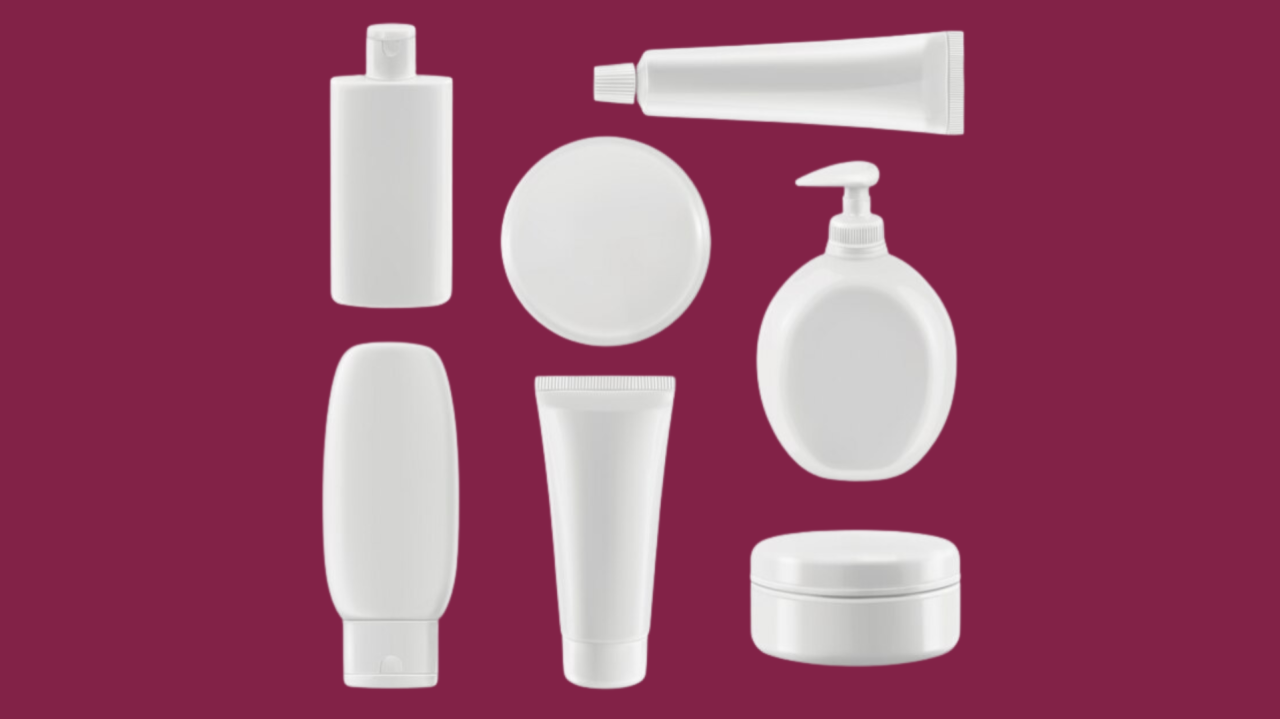
In the beauty industry, packaging does a lot of heavy lifting. It sells the product, communicates the brand, and shapes first impressions. But beyond aesthetics, packaging has a regulatory function, and this is where many brands get it wrong.
Because cosmetic packaging is not just about how it looks. It is a legal requirement.
Under frameworks such as the UK Cosmetics Regulation (EC) No 1223/2009 (as retained in UK law), packaging must carry specific information to ensure consumer safety, traceability, and informed use. When this information is missing, unclear, or presented incorrectly, the product is not compliant, no matter how good it looks on a shelf.
Every cosmetic product must include key details such as the name and address of the Responsible Person, a batch or lot number for traceability, the product’s nominal content, and a list of ingredients using INCI terminology. You also need either a Period After Opening (PAO) symbol or a minimum durability date, depending on the product. Yet it is still common to see products, particularly smaller brands or imported items, missing one or more of these elements.
Brands often prioritise sleek, minimal designs, especially for items like lip balms, serums, or travel sized products. But if the packaging cannot physically accommodate the required information, that does not remove the obligation to provide it. In these cases, additional solutions such as leaflets, outer cartons, or peel back labels are required. Failing to include this information anywhere accessible to the consumer is a breach of regulation.
Products sold in the UK must present mandatory information in English. This becomes an issue with imported cosmetics, where packaging may only include information in another language. Even if the formulation is safe and compliant in its country of origin, it cannot be legally sold in the UK without appropriate translation.
Packaging that exaggerates claims, implies medicinal benefits, or suggests a product performs beyond what can be substantiated can quickly fall into non compliance. This includes design choices as well as wording. Medical style graphics, before and after imagery, or terminology that blurs the line between cosmetic and therapeutic use can all raise red flags.
Certain formulations require specific types of packaging to remain stable and safe. For example, products sensitive to light, air, or contamination may need airless pumps or UV protective containers. Using inappropriate packaging can compromise the product over time, leading to degradation, contamination, or reduced efficacy. From a regulatory perspective, this links back to safety. If the packaging cannot maintain the integrity of the product, the product itself is not compliant.
Batch coding might not be visually exciting, but it is essential. In the event of a product recall or safety issue, the ability to trace affected batches is critical. Packaging without clear, durable batch information fails a fundamental requirement of cosmetic regulation.
The reality is that packaging is not just branding, it is part of the product’s compliance framework.
You can have a beautifully formulated product, backed by testing and safety assessments, but if the packaging does not meet regulatory requirements, it should not be on the market.
And increasingly, regulators are paying attention to exactly that.