July 1, 2026
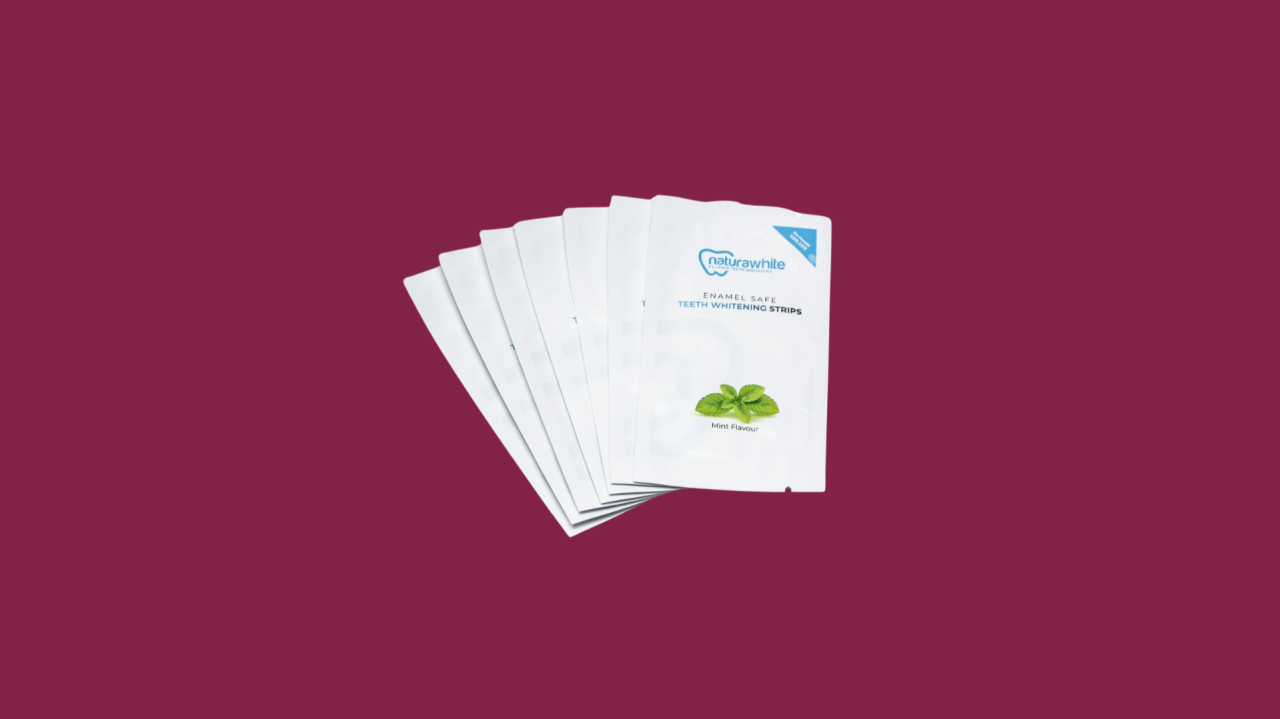
Teeth whitening strips are having a moment on TikTok. You’ve probably seen countless videos about those purple ones. They promise quick results. Big smiles. Affiliate links everywhere. And an increasing number of products being sold by UGC creators who have never seen, handled, or properly understood the products they are promoting.
Teeth whitening products sit in a regulatory grey area that many creators simply do not understand. In the UK and EU, the classification of a whitening product depends largely on its ingredients, particularly hydrogen peroxide or substances that release it. Products containing higher concentrations are restricted to use by dental professionals. Others may fall under cosmetic regulation but only if they meet strict safety and labelling requirements.
That distinction matters. A lot.
Many whitening strips being promoted on TikTok are imported, white label, or drop shipped. The creator selling them is not the manufacturer. Often they are not the importer either, at least not knowingly. But in regulatory terms, someone is always responsible for placing that product on the market. And that responsibility cannot be outsourced to a viral video.
Cosmetic teeth whitening products must be safe for consumer use, supported by proper safety assessments, and labelled correctly. If a product strays into medical device territory or exceeds permitted peroxide limits, it should not be sold directly to consumers at all. Yet we routinely see claims of rapid whitening, enamel rebuilding, or dentist level results being made with no evidence to support them.
Improperly formulated or misused whitening products can cause gum irritation, enamel damage, increased tooth sensitivity, and long term oral health issues. These risks are precisely why regulation exists in the first place. But TikTok does not ask for a safety assessment before pushing a video to millions of users.
UGC creators are not required to understand cosmetic law. They are not trained in product safety. They are not qualified to assess toxicological risk, ingredient exposure, or cumulative use. Yet their audiences are often encouraged to trust them over dentists, regulators, or professionals because the content feels relatable and real.
Buying dental products from someone who has no regulatory knowledge, no safety documentation, and no accountability beyond a Shopify storefront should give consumers pause. If something goes wrong, there is rarely a clear route for recourse. The creator moves on to the next product. The video disappears. The consumer is left dealing with the consequences.
This is not about demonising influencers. It is about being honest about what they are and are not qualified to sell.
If a dental product is being marketed primarily through social media hype, without clear information on compliance, safety testing, or regulatory status, that should be a red flag. Teeth whitening is not skincare. It involves the mouth, mucous membranes, and long term health.
Regulation is not there to spoil the fun or slow innovation. It exists to stop people being harmed by products that look harmless but are not.
Before you buy a whitening strip from a TikTok shop or a dropshipping link, ask yourself a simple question. Would you trust this person to understand what they are putting in your mouth?
If the answer is no, scroll on.