July 1, 2026
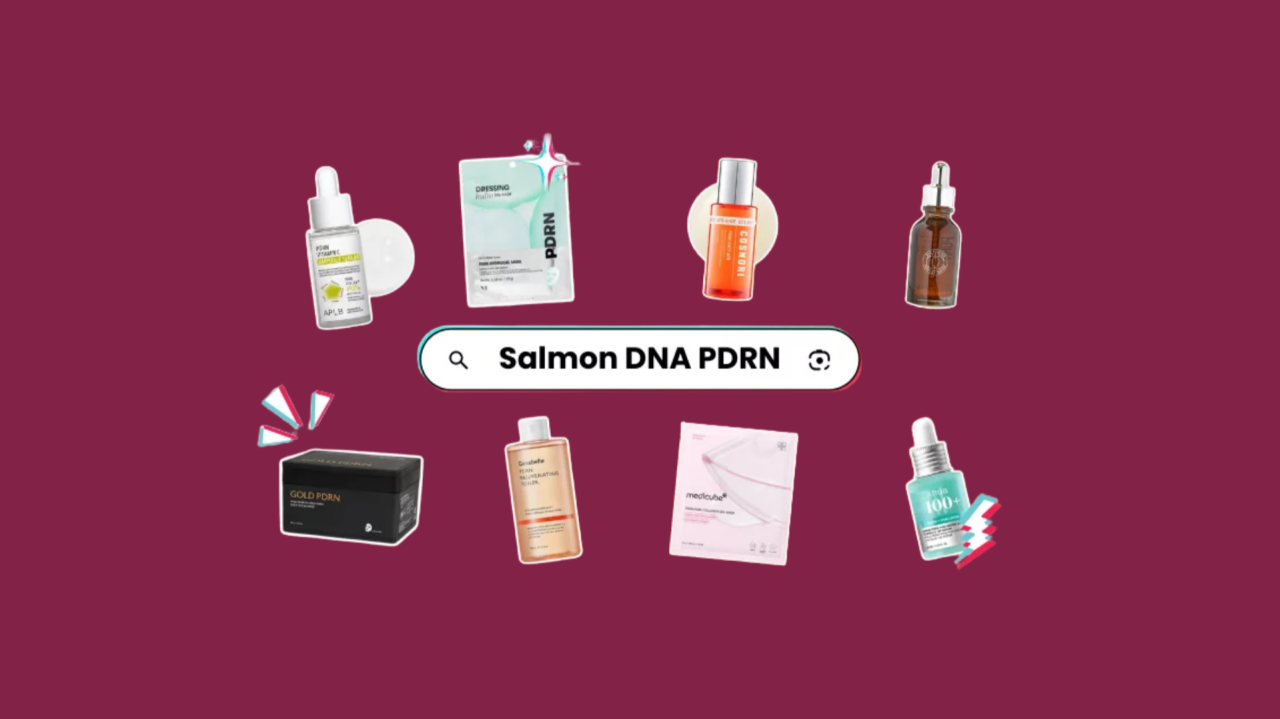
“Salmon sperm facials.” “DNA repair from fish-derived actives.” “Injections used by celebrities.”
The headlines are doing their job. They’re provocative, slightly absurd, and very effective at getting attention. But when you strip away the hype, the reality is far less dramatic, and far more regulatory.
Because no, most skincare products are not packed with literal salmon sperm.
What they may contain are ingredients derived from salmon DNA, typically listed as sodium DNA or similar derivatives. These are processed, purified fragments extracted from fish reproductive cells, broken down and refined for use in cosmetic formulations. By the time they reach a finished product, they are no longer “sperm” in any recognisable sense. They are ingredients that have been chemically treated, standardised, and incorporated for their potential skin-conditioning or hydrating properties.
And that distinction matters.
From a regulatory perspective, cosmetics are governed by strict frameworks such as the UK Cosmetics Regulation (EC) No 1223/2009 (as retained in UK law) and the EU Cosmetics Regulation (EC) No 1223/2009. These regulations do not care about marketing headlines. They care about composition, safety, and claims.
Every ingredient used in a cosmetic product must be assessed for safety. This includes its source, method of extraction, purity, and toxicological profile. If an ingredient is derived from an animal source, there are additional considerations around contamination, traceability, and processing. The final formulation must undergo a cosmetic product safety report (CPSR), and all ingredients must be listed using their recognised INCI names.
So while “salmon sperm” might grab attention, the ingredient on the label will be something far less sensational and far more scientifically defined.
Hype ingredients often sit in a grey space between cosmetic and medical claims. You’ll see language around “regeneration,” “DNA repair,” or “cellular renewal.” These phrases are carefully chosen. Push too far, and you risk crossing into medicinal territory, where products must comply with entirely different regulatory requirements, including clinical trials and licensing.
This is where brands need to tread carefully.
If a product is marketed as a cosmetic, its primary function must be to clean, perfume, protect, or maintain the skin in good condition. Claims must be substantiated, proportionate, and not misleading. Suggesting that a topical product can repair DNA in a biological or medical sense would likely trigger regulatory scrutiny.
Consumers, meanwhile, are left navigating a landscape where storytelling often outpaces science.
“Salmon sperm” sounds cutting-edge. It feels clinical, almost futuristic. But in reality, it is a rebranded ingredient with a specific function, used within the same regulatory framework as any other cosmetic component.
And this is the pattern we see time and time again.
Snake venom. Bee venom. Placenta extracts. Stem cells.
The names evolve, the headlines change, but the underlying process remains the same: take a scientifically grounded ingredient, refine it, rename it, and market it in a way that captures attention.
Because behind every trending ingredient, there should be a clear answer to three questions:
What is it? Is it safe? And does it do what it claims to do?
If those answers aren’t clear, the problem isn’t the ingredient.
It’s the hype around it.