July 1, 2026
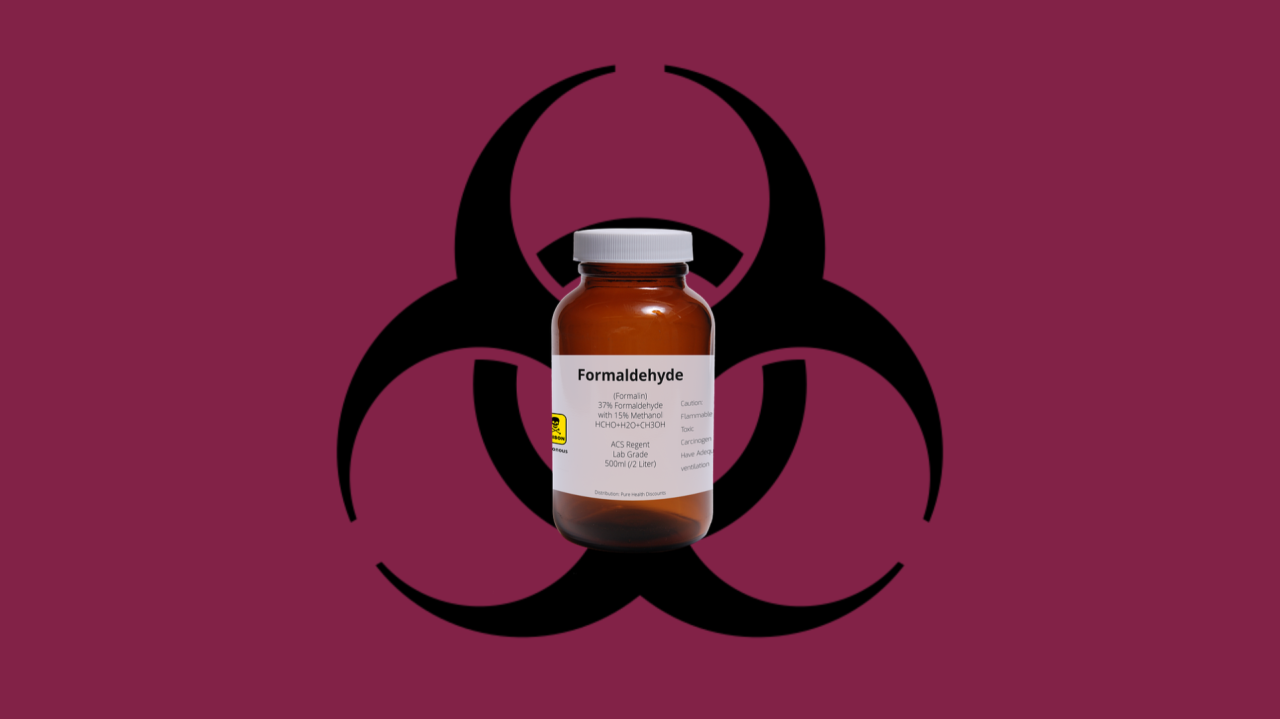
Formaldehyde is one of those ingredients that tends to cause instant alarm the moment it appears in a headline. And while the regulatory changes around formaldehyde releasing substances are important, they are also being widely misunderstood.
So let’s slow it down and look at what is actually happening, particularly around the July 15, 2026 and January 15, 2027 deadlines.
Under the updated cosmetics regulation, products containing formaldehyde releasing substances that result in free formaldehyde above the defined threshold must carry specific labelling. The intent is straightforward. Consumers should be clearly informed when formaldehyde is present above certain levels, even if it is released indirectly.
This is not a sudden ban on products. It is a labelling and compliance change, with transition periods built in.
There are two dates that matter.
July 15, 2026 is the placing on the market deadline. From this point onwards, cosmetic products that do not meet the updated formaldehyde labelling requirements cannot be newly placed on the market if they contain relevant formaldehyde releasing substances above the threshold.
However, products that were already placed on the market before July 15, 2026 are not automatically illegal overnight.
That is where the second date comes in.
January 15, 2027 is the so called off the shelf deadline. Products that were placed on the market before July 15, 2026 may continue to be made available until this date. After January 15, 2027, they must be compliant or removed.
This distinction matters. Placing on the market and making available are not the same thing, and confusing the two is where a lot of unnecessary panic starts.
Placed on the market means the product has been supplied for the first time in the EU or UK market, depending on the regulatory framework you are working under. That typically means it has left the manufacturer or importer and entered the supply chain.
Stock sitting in your warehouse that has already been supplied to distributors before July 15, 2026 can usually continue to be sold through until January 15, 2027, provided it was legitimately placed on the market beforehand.
Stock that has not been placed on the market by that July deadline does not get the same flexibility.
The biggest risk here is not the rule itself. It is poor planning.
Brands should already be identifying whether their formulations include formaldehyde releasing substances and whether free formaldehyde could exceed the relevant threshold. That means reviewing safety assessments, supplier data, and formulations, not guessing.
If labelling changes are required, artwork timelines need to be realistic. Printing cycles, stock run down plans, and supply chain coordination all take longer than people expect.
Waiting until early 2026 to think about this is how products end up being written off.
This is not about fear. It is about timelines.
Products placed on the market before July 15, 2026 may remain available until January 15, 2027. After that, compliance is non negotiable.
Brands that understand the distinction, plan early, and manage stock properly will get through this without drama.
The ones that leave it too late will discover that regulatory deadlines are not flexible, even when production schedules are.