November 27, 2025
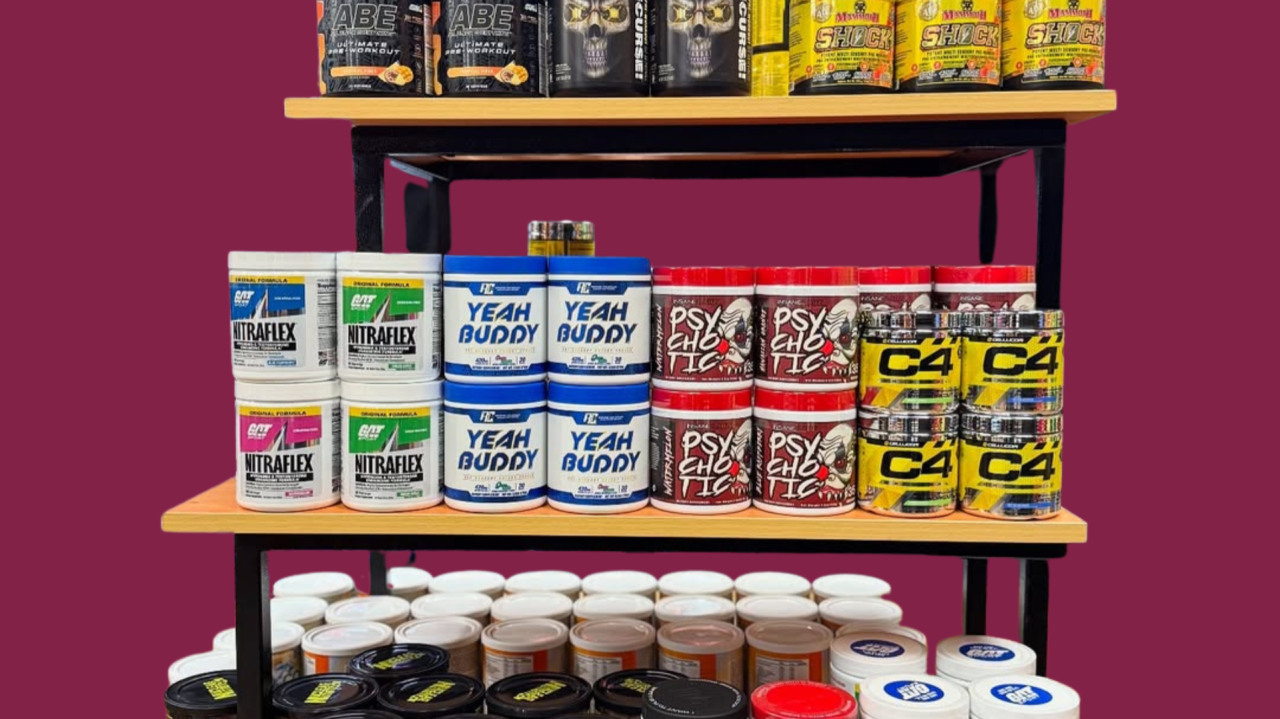
If you’ve ever wandered through the supplement aisle (or scrolled through fitness TikTok), you’ll know how overwhelming the "pre-workout" world can be. Brightly coloured tubs, words like explosive, pump, and focus, and ingredient lists that read more like chemistry papers than consumer products.
But behind the branding, there’s a lot going on that most consumers, and even some brands, don’t realise. From a regulatory point of view, not every pre-workout is created equal. Here’s what I look for when assessing whether a product is compliant, safe, and worth trusting.
Is it a food supplement or a sports food? This matters because the way a product is classified dictates which laws apply, which ingredients can be used, and what claims can be made.
A pre-workout marketed as a food supplement falls under Food Supplement Regulations 2003 and must comply with Regulation (EC) 1924/2006 for nutrition and health claims. If it’s a sports drink or food, it still sits under general food law, but with slightly different labelling and compositional expectations.
If the label is vague or overreaching, for example, calling itself a “performance enhancer” without a legal claim to back it up, that’s already a red flag.
Caffeine is one of the most common and most tightly regulated ingredients in pre-workouts.
The European Food Safety Authority (EFSA) recognises caffeine’s link to increased alertness and reduced fatigue, but the dose matters. The permitted claim applies to products providing 75 mg of caffeine per serving, and brands must include the accompanying warning "High caffeine content. Not recommended for children or pregnant or breastfeeding women."
If you see products claiming "laser-like focus" or "superhuman energy" without a quantified caffeine amount, be cautious. Too much caffeine (especially in combination with other stimulants) can cross into unsafe or misleading territory.
Pre-workouts often contain exotic-sounding ingredients such as beta-alanine, yohimbine, dendrobium, synephrine, and DMAA (now banned). Some of these are fine; others absolutely aren’t.
If an ingredient hasn’t been consumed widely in the UK or EU before 1997, it may be considered a novel food, meaning it needs pre-market authorisation before it can legally be sold.
And those "proprietary blends"? They might sound impressive, but from a regulatory perspective, they’re a headache. Brands must still declare the total composition, including amounts of each ingredient. If the label only lists a 2g "pump matrix" without breaking it down, there’s no way to verify safety or compliance.
Statements like "boosts testosterone", "burns fat faster", or "builds lean muscle" are not authorised claims under EU or UK law.
Unless the brand can substantiate these with EFSA-approved data and use them in the correct context, they’re breaching nutrition and health claims legislation. Always look for claims that sound specific and evidence-based, not salesy or superhuman.
5. Labelling and Transparency
Finally, a compliant product should clearly display:
✅ Ingredients in descending order by weight
✅ Nutrient amounts per serving
✅ The correct allergen and caffeine warnings
✅ A responsible person (importer or manufacturer) with a UK or EU address
If any of that is missing or unclear, it’s not just sloppy, it’s potentially illegal.
Pre-workouts can be a legitimate tool for performance, but only when formulated and marketed responsibly. If you’re a brand, don’t assume "everyone else is doing it" means it’s compliant. If you’re a consumer, treat wild claims and mystery blends as warning signs, not selling points.
In regulation, clarity is what keeps products safe, credible, and on the right side of the law.