November 17, 2025
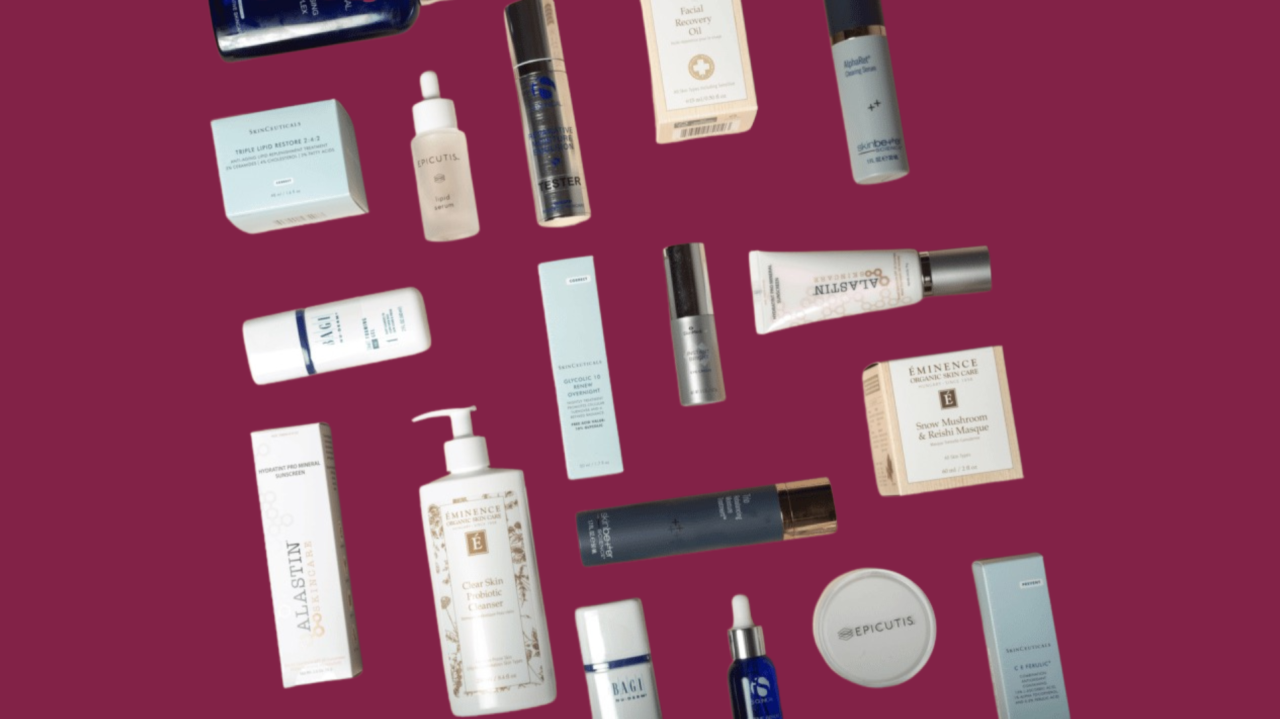
You’ve probably seen it plastered across product packaging, influencer ads, or clinic websites: “medical grade skincare.” It sounds clinical, professional, and reassuringly science-y, as though it’s passed through a stricter, more legitimate process than what you’d find on the high street.
But here’s the truth from a regulatory point of view: there is no such thing as “medical grade skincare.”
In the UK and EU, there are only two relevant legal categories for topical products: cosmetics and medical devices (and occasionally, medicines, but that’s another story). A product can’t sit somewhere in the middle because “medical grade” simply isn’t a defined regulatory category.
Let’s unpack that.
If a product is intended to clean, perfume, protect, or alter the appearance of the skin, for example, a moisturiser, cleanser, or foundation, it falls under the cosmetics framework, specifically Regulation (EC) 1223/2009 in the EU and the retained UK Cosmetics Regulation 2009. These products must be safe, properly labelled, and supported by a safety assessment known as a CPSR (Cosmetic Product Safety Report).
If, however, a product claims to treat, prevent, or modify a medical condition, such as acne, eczema, rosacea, or pigmentation disorders, then it’s likely making medicinal claims and would need to be regulated as a medicine or medical device, both of which come with much stricter rules, clinical evaluation requirements, and MHRA oversight.
So where does “medical grade” fit in? It doesn’t.
The term is pure marketing. It’s often used by brands or clinics to imply that a product is somehow more effective, more potent, or held to higher standards than regular skincare, but there’s no legal definition or extra layer of regulation that backs that up.
That doesn’t necessarily mean those products are unsafe or ineffective. Many are developed with dermatologists, contain high concentrations of active ingredients, or are sold through professional channels. But it’s important to understand that their “grade” status doesn’t grant them any special regulatory approval.
If a “medical grade” serum and a supermarket serum both fall under the cosmetics regulation, they’re held to the same safety and compliance requirements. Both must have a responsible person, a product information file, safety data, and compliant labelling. Neither can claim to treat a medical condition unless they’ve gone through the MHRA.
So why does this matter?
Because as consumers, practitioners, or brand owners, we need to separate science from spin. The phrase “medical grade” can easily mislead people into assuming something has clinical validation when it might just have clever branding. And from a regulatory perspective, that’s a slippery slope, one that can lead to non-compliance and, in some cases, enforcement action.
In short: don’t be dazzled by the terminology. Whether it’s sold in a clinic or a chemist, if it’s classed as a cosmetic, it’s subject to the same rules.
At Taylored Consultancy, we spend our days helping brands navigate exactly this kind of grey area, so they can market their products honestly, safely, and without overstepping the legal line. Because good compliance isn’t about killing creativity. It’s about building trust through truth.