November 11, 2025
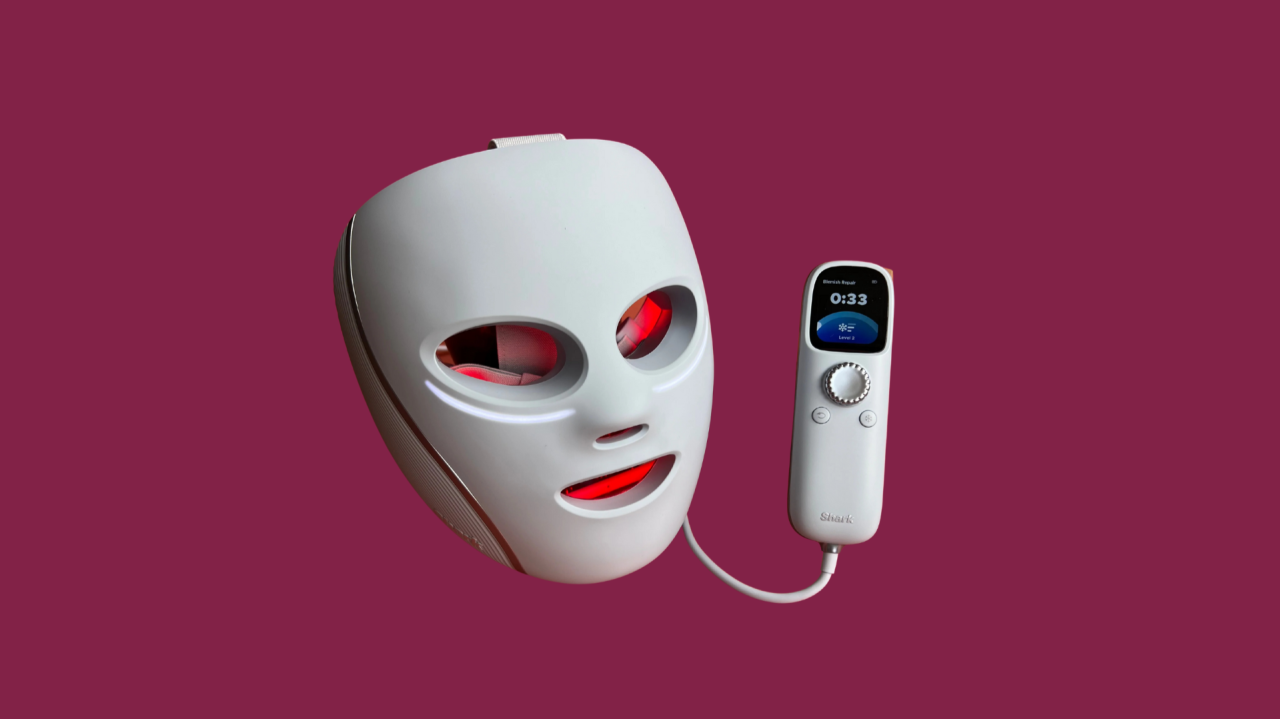
If you’ve scrolled through social media lately, you’ve probably seen LED masks promising everything from “acne-free skin” to “healing rosacea.”
They look futuristic. They light up your face like a disco ball. And lately, they’ve caught the attention of the Advertising Standards Authority (ASA) for all the wrong reasons.
This week, the ASA banned ads from Beautaholics, Luyors Retail, Project E Beauty, and Silk’n after finding that their marketing made unauthorised medical claims about their LED masks. Let’s unpack what actually happened and more importantly, why it matters for brands.
Across Meta platforms and brand websites, these companies claimed their devices could treat acne, heal rosacea, and even kill acne-causing bacteria. But here’s the issue: Acne and rosacea are recognised medical conditions.
Medical claims can only be made for products that are authorised or registered as medical devices by the MHRA.
None of these products were. So, despite being UKCA marked (a general product safety requirement), they hadn’t crossed the regulatory threshold that allows brands to talk about treatment, healing, or prevention. As a result, those claims were deemed “medicinal in nature”, breaching the CAP Code that governs advertising in the UK.
Several brands pointed to scientific studies about LED light therapy or said their masks used “clinically proven” technology. That still doesn’t make the product a medical device.
The ASA and MHRA draw a clear line between scientific principles and authorised medical claims. You can’t lean on general science to suggest your product will treat a disease unless it’s officially regulated to do so.
In other words: “LED light has been shown to reduce acne-causing bacteria” = fine in a research paper. “Our mask treats acne” = a medical claim that requires MHRA approval.
Interestingly, these breaches weren’t reported by consumers. They were found by the ASA’s own AI ad monitoring system, which trawls social media for potentially non-compliant claims.
So even if your ad isn’t getting complaints, it doesn’t mean it’s flying under the radar. Regulators are getting smarter, and automation is making it much easier to spot problematic wording across thousands of ads at once.
One brand, Silk’n, argued that its ad was based on a genuine user testimonial and that the wording referred to “acne-related redness” rather than acne itself.
The ASA (after consulting the MHRA) didn’t buy it. They ruled that even referencing acne-related redness counts as a medical claim because it’s directly linked to a recognised condition. And crucially, medical claims don’t stop being medical just because a customer said them first. If you share or amplify them in advertising, they become your claims.
If you’re marketing skincare or beauty tech products, this ruling is your flashing red light to check your compliance.
Here’s what to remember:
✅ You can talk about cosmetic benefits like improved skin texture, glow, or radiance.
🚫 You can’t talk about treatment, healing, or prevention of medical conditions unless your product is authorised as a medical device.
🧾 Always verify what certifications you hold (UKCA, CE, or MHRA registration) because they’re not interchangeable.
💬 Be cautious with testimonials, reviews, and before/after photos. If they make medical claims, they still count as advertising content.
The LED mask story isn’t about a few bad actors. It’s about how easily brands can cross from “cosmetic” into “medicinal” without meaning to.
It’s not glamorous, but the rules exist for a reason. Consumers deserve to know whether a product is a beauty gadget or a regulated medical device, and brands deserve to know where the line is before the ASA draws it for them.
If you’re unsure where your product sits, get advice before you post. Because as these brands just learned, “clinically proven light therapy” sounds great in a caption right up until the ASA switches it off.