December 11, 2025
Every time I think the beauty industry can’t surprise me anymore, the counterfeit market pops up and says, “Hold my fake toner.”
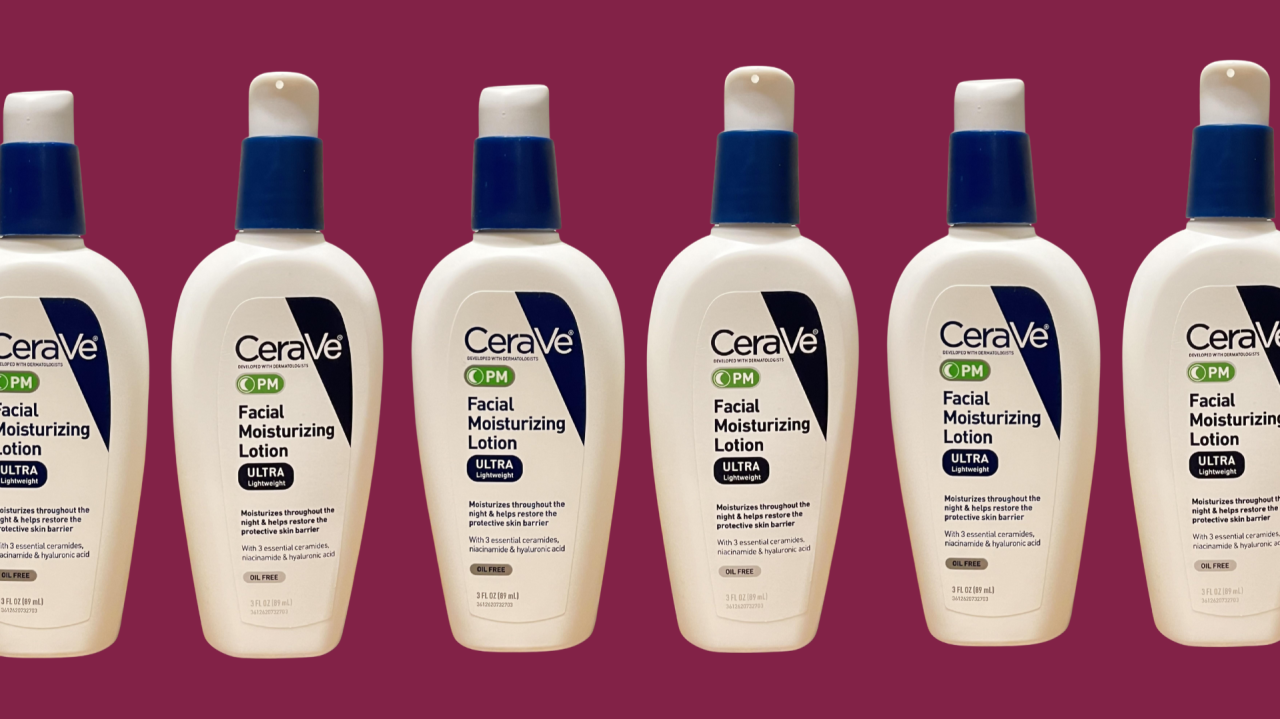
This week, a major retailer reportedly had to warn customers about counterfeit versions of one of the UK’s best-selling skincare products being sold on its platform. And honestly? I wish I could say I’m shocked. I’m not. This is exactly what happens when you mix high demand, low consumer awareness, and online marketplaces that allow practically anyone to list a product.
Consumer group Which? recently found that two-thirds of cosmetics purchased from marketplaces like Amazon, eBay, TikTok Shop and Vinted were likely counterfeit.
Two. Thirds.
That means most people buying “bargains” online haven’t just bought a dupe, they’ve bought an untested, unregulated chemical surprise in a bottle.
Counterfeit cosmetics aren’t just “a bit dodgy.” They’re dangerous.
Investigations have found fakes contaminated with:
● Heavy metals (lead, mercury, arsenic, cadmium, the whole toxic family)
● Carcinogens
● Industrial solvents
● Bacteria from unhygienic production rooms
● And yes… in some cases, urine and faeces
Because when criminals manufacture cosmetics, they don’t exactly pop on a hairnet and run a GMP-compliant lab.
People assume “it’s just a moisturiser, what’s the worst that could happen?”
Plenty.
Fake or unregulated products can cause:
● Chemical burns
● Rashes, swelling, and dermatitis
● Eye infections
● Permanent skin damage
● Systemic heavy-metal toxicity with repeated use
● Severe allergic reactions from undisclosed ingredients
And because packaging is designed to mimic the real thing, consumers genuinely believe they’re using products that have undergone proper testing and safety assessment. Spoiler: they haven’t.
Let me be blunt.
When a product is sold without a Product Information File, without stability testing, without ingredient traceability, without safety assessment, without legally required allergen labelling… it is not a cosmetic. It is a gamble.
And online marketplaces have become the perfect breeding ground because they allow thousands of third-party sellers to upload listings with almost no barriers.
If you use skincare, makeup, or haircare (so: everyone):
✔️ Buy from authorised retailers or directly from the brand
✔️ Avoid “too cheap to be real” deals — because they usually are
✔️ Check packaging quality and language
✔️ Be cautious of marketplace listings with vague seller info
✔️ Don’t buy cosmetics from pop-up Instagram/TikTok sellers
And most importantly: if you’re a brand, protect your customers. Educate them. Make it painfully clear where they should and shouldn’t buy your products.
People love to call regulation “boring.” But nothing is more boring than spending Christmas dealing with a chemical burn from a fake vitamin C serum you bought for £6.99.
If you care about your skin and your health, buy products that have actually gone through proper cosmetic compliance.
Safety isn’t optional. Ask any regulator. Or any consumer who’s learned the hard way.